
Fitness Trackers
Here's the fully rewritten blog with fresh content and new headings:
How Fitness Trackers Have Transformed in 2025: What You Need to Know
Wearable fitness technology has come a long way from simply counting steps. Today's devices are sophisticated health companions capable of monitoring everything from your blood oxygen levels to your emotional state. Whether you are a casual walker or a dedicated athlete, the latest generation of fitness trackers offers something genuinely useful. Here is a complete breakdown of where the technology stands right now and what is driving the next wave of innovation.
1. Health Monitoring Has Reached a New Level of Depth
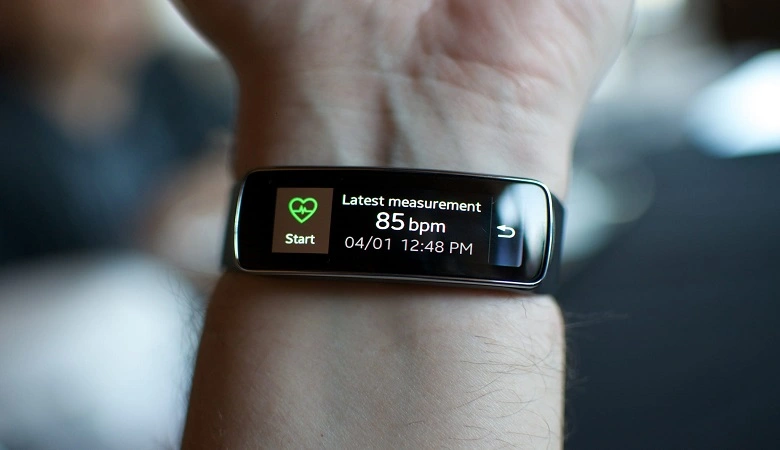
Modern fitness trackers are no longer limited to heart rate and step counts. Today's wearables pack multiple sensors into a single device, giving users a far more complete picture of their physical condition.
Metrics now commonly tracked include blood oxygen saturation, sleep stage analysis, respiratory rate, skin temperature, and stress indicators measured through heart rate variability. Brands have also begun developing devices with specific user groups in mind — including designs built around the physiological patterns of women, older adults, and athletes with highly specialised training demands.
Continuous glucose monitoring is another area gaining serious traction. By tracking blood sugar in real time, wearables now support not just people managing diabetes but also fitness enthusiasts who want to understand how nutrition and exercise interact throughout their day.
2. Artificial Intelligence Is Now Doing the Heavy Lifting
Raw data on its own is only useful if you know how to interpret it. This is where artificial intelligence has become genuinely transformative for fitness wearables.
Rather than leaving users to analyse charts and numbers themselves, AI-powered trackers now process long-term patterns and deliver personalised recommendations. These might include suggested recovery windows after intense training, early warnings about signs of overtraining, or adjustments to sleep schedules based on activity history.
Machine learning models embedded within these devices grow smarter the longer you wear them, meaning the guidance you receive after six months of use is considerably more tailored than what you got on day one.
3. Mental Wellbeing Has Become a Core Feature
Physical fitness and mental health are increasingly treated as two sides of the same coin, and fitness tracker manufacturers have responded to this shift in a meaningful way.
Newer devices come equipped with guided breathing exercises, mindfulness prompts, and mood logging tools. Some trackers can detect elevated stress levels through physiological signals and proactively suggest a short relaxation exercise before stress builds further.
This move toward whole-person wellness reflects a broader cultural shift. Users are no longer satisfied with devices that only measure performance — they want technology that actively supports their overall quality of life.
4. Smaller Designs Are Attracting a Wider Audience
Bulky fitness bands put a lot of people off wearable technology entirely. The growing popularity of smart rings and fitness-focused jewellery has changed that conversation completely.
Smart rings deliver surprisingly capable health tracking in a form factor that most people find far more comfortable and discreet than a traditional wristband. For users who spend long hours at a desk, attend formal events regularly, or simply dislike the feel of a band on their wrist, these compact alternatives represent a genuinely practical option.
Alongside smart rings, a number of brands have leaned into aesthetic design, producing trackers that are stylish enough to wear as everyday accessories. Functionality no longer has to come at the expense of appearance.
5. Personalisation Has Moved Beyond Basic Settings
Early fitness trackers offered limited customisation — you could set a step goal and not much else. The current generation is built around the understanding that no two users have identical needs.
Trackers now allow detailed configuration for specific activities, whether that is powerlifting, swimming, cycling, yoga, or team sports. Training intensity zones, recovery targets, and workout suggestions can all be adjusted based on individual fitness levels and personal goals.
This flexibility has significantly broadened the appeal of fitness wearables, making them relevant to beginners just starting their health journey and experienced athletes fine-tuning their performance in equal measure.
6. Connected Ecosystems Are Creating Seamless Experiences
A fitness tracker works best when it does not operate in isolation. The integration of wearables with smartphones, smart home devices, gym equipment, and nutrition apps has created a genuinely connected health ecosystem.
Syncing your tracker with a smart scale, a sleep monitor, and a calorie tracking app, for example, gives you a unified view of your health without manually piecing together data from separate sources.
Corporate wellness programmes have also embraced this connectivity. A growing number of employers are partnering with wearable brands to offer subsidised devices to staff, using aggregated activity data to shape workplace wellbeing initiatives and reduce long-term health costs.
7. Every Age Group Now Has a Device Designed for Them
Fitness technology used to target a fairly narrow demographic — typically active adults in their twenties and thirties. That has changed considerably.
For older users, devices now include features such as fall detection, irregular heart rhythm alerts, balance monitoring, and gentle reminders to move throughout the day. These tools offer a level of passive health oversight that provides both the wearer and their family with genuine reassurance.
At the younger end of the spectrum, trackers aimed at children and teenagers use gamification — challenges, rewards, and progress milestones — to make physical activity feel engaging rather than like a chore. Parental controls give families appropriate oversight while still encouraging independence.
8. Sustainability Is Shaping How Devices Are Built
Environmental responsibility has become a genuine priority across the consumer electronics industry, and fitness wearables are no exception.
Manufacturers are increasingly turning to recycled materials, reducing packaging waste, and designing devices with longer product lifespans in mind. Extended battery life is part of this picture too — devices that need charging less frequently are both more convenient for users and lighter on environmental impact over time.
Rugged construction is another area of focus, with many trackers now built to withstand demanding outdoor conditions. A device that lasts several years is far more sustainable than one that needs replacing annually.
9. Subscription Services Are Changing the Value Equation
Hardware alone is no longer the whole product for many fitness tracker brands. Subscription tiers that unlock advanced analytics, AI coaching sessions, and personalised health reports have become a standard part of the business model.
For users who engage deeply with their health data, these premium services offer real value. For more casual users, however, the ongoing cost can feel difficult to justify. The challenge for brands going forward will be finding the right balance between free core functionality and genuinely compelling paid features.
10. The Road Ahead Looks Remarkably Promising
Several capabilities currently in development are expected to arrive in consumer devices within the next few years. Non-invasive blood pressure monitoring — which would eliminate the need for a traditional cuff entirely — is among the most anticipated. Hydration tracking, body composition analysis, and even early illness detection based on subtle physiological shifts are also being actively researched.
As these features mature and become commercially viable, fitness trackers will evolve from useful lifestyle tools into genuinely powerful personal health devices.
Wrapping Up
The fitness tracker market in 2025 reflects a technology that has grown up. These devices now deliver meaningful health insights, support mental as well as physical wellbeing, suit users of every age and fitness level, and are being built with greater environmental responsibility. Whether you are shopping for your first tracker or considering an upgrade, the options available today are more capable, more personalised, and more thoughtfully designed than anything that came before.
Thinking about investing in a fitness tracker? The best time to start monitoring your health is always right now.